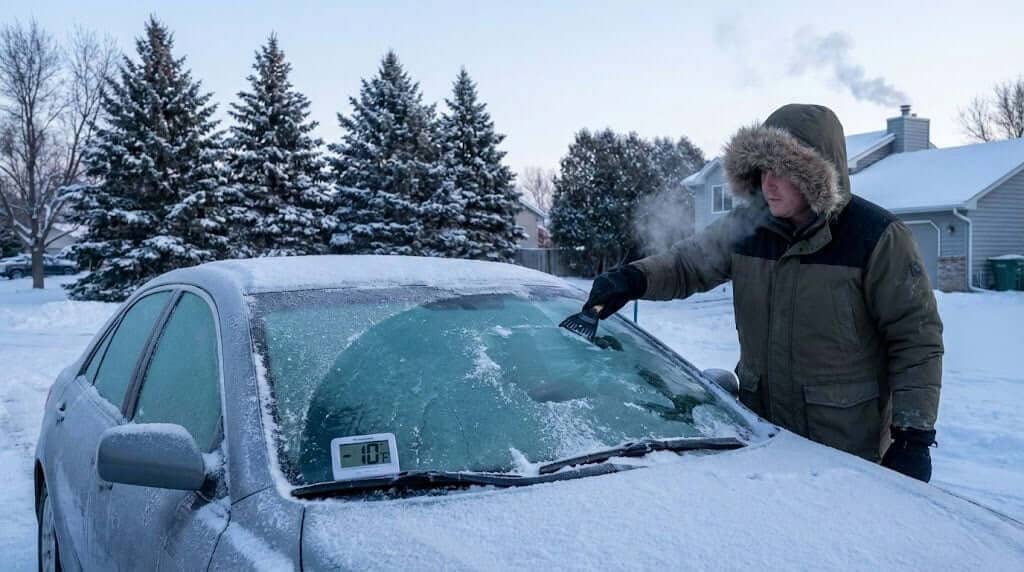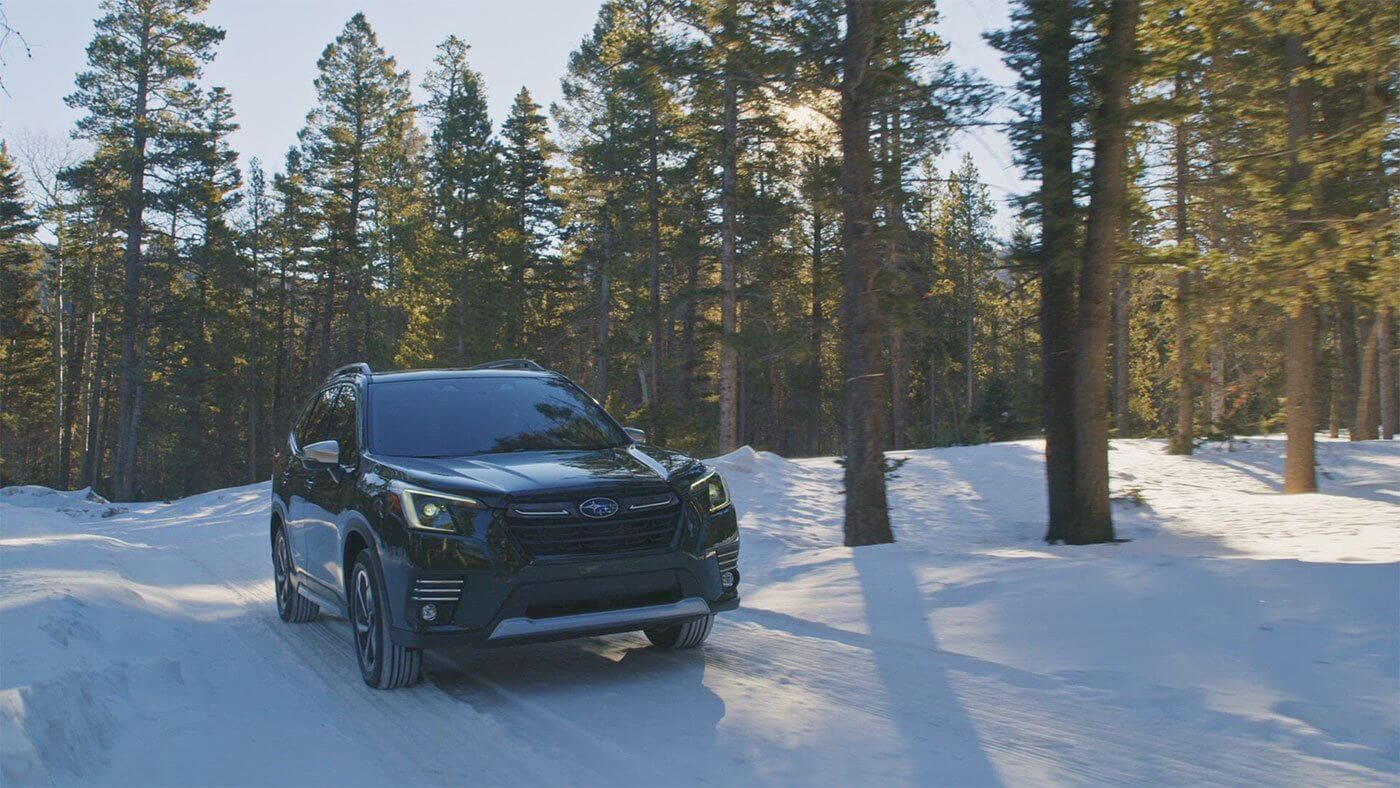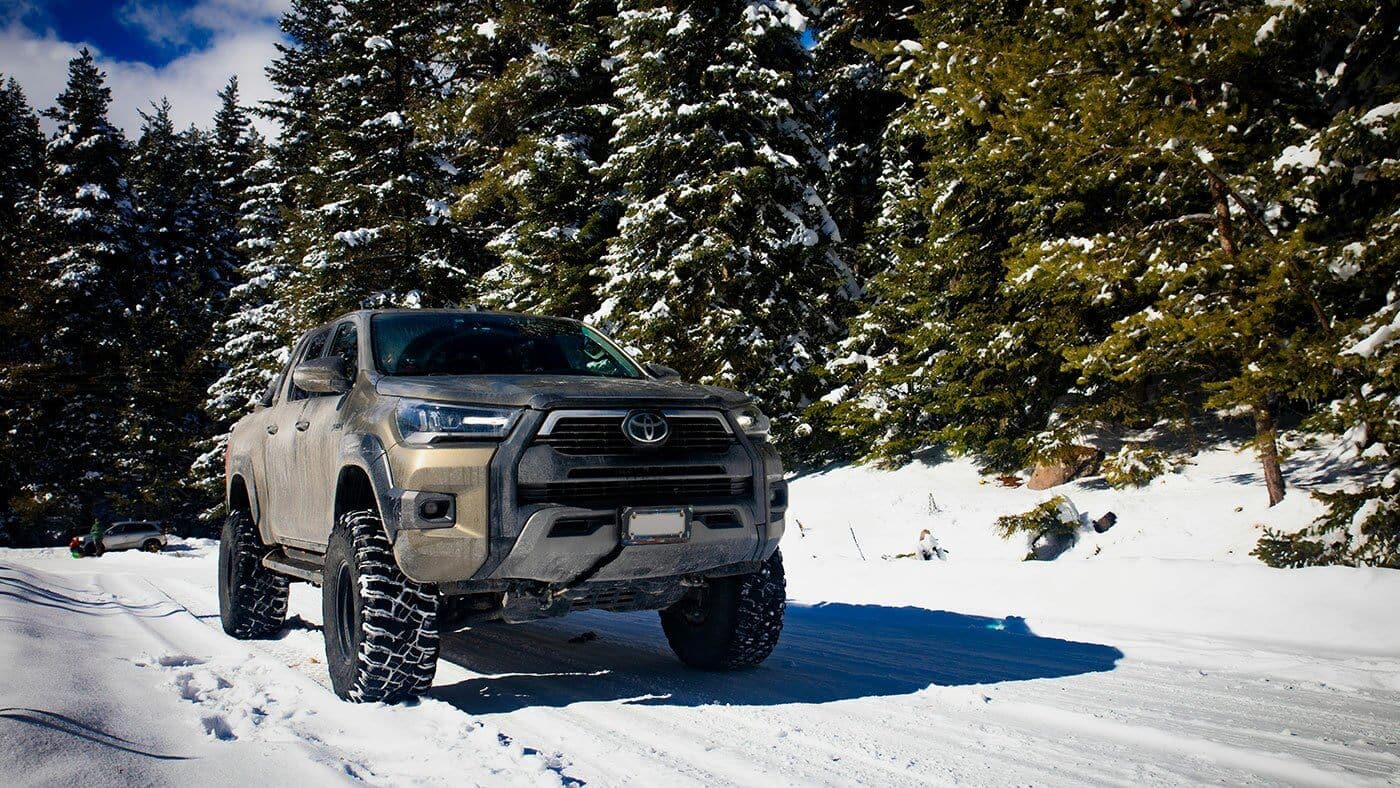
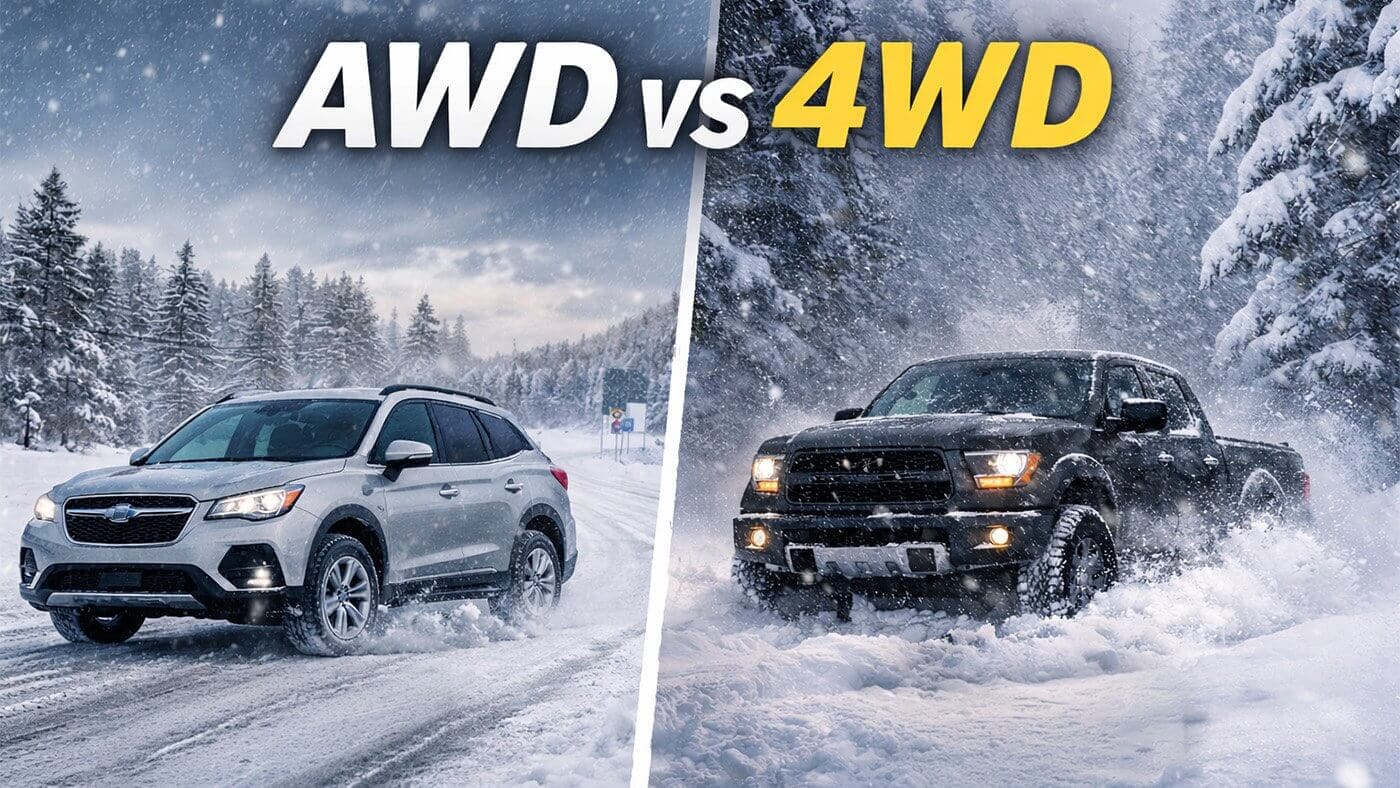

If you've ever white-knuckled your way through a February snowstorm, or slipped around on icy county roads, you know winter driving in Minnesota isn't for the faint of heart. The right drivetrain can make all the difference between getting stuck in a drift and cruising confidently to your destination. Today, we're diving into the age-old debate: AWD vs 4WD.
We'll break down what each means, their pros and cons for our brutal winters, and help you decide which might be your best bet for surviving the freeze. Whether you're eyeing AWD vs 4WD here in Minnesota or just curious about 4x4 options, stick around—this could save you from a tow truck call.
Table of Contents
- What's The Difference Between AWD and 4WD?
- What Exactly is AWD?
- What About 4WD?
- Key Differences: AWD vs 4WD Head-to-Head
- Pros and Cons for Minnesota's Unique Winter Challenges
- You Still Need Good Tires Even With AWD or 4WD
- Popular AWD and 4WD Vehicles Available in 2026
- Maintenance Tips for AWD and 4WD in Winter
- Which One Should You Choose for Winter Driving in MN?
- Wrapping It Up: Stay Safe Out There
- FAQs
What's The Difference Between AWD and 4WD?
First off, talk about the basics. All-Wheel Drive (AWD) and Four-Wheel Drive (4WD) both send power to all four wheels, but they do it in different ways.
AWD is like that reliable friend who's always ready to lend a hand without you asking—it's automatic and works full-time or on-demand to distribute power where it's needed most. It's smart tech that kicks in during slippery conditions without any needed inputs from you.
On the flip side, 4WD (often called 4x4) is more like a heavy-duty tool you pull out for tough jobs. It's typically part-time, meaning you switch it on manually, and it's built for serious traction in extreme situations.
And what's the deal with 4x4? It's basically another name for 4WD, especially in trucks and SUVs designed for off-road adventures. In Minnesota, where winter can turn a simple commute into an death defying adventure, understanding AWD vs 4WD is essential for a safe, efficient drive home.
What Exactly is AWD?
All-Wheel Drive systems are designed for everyday versatility. In most AWD vehicles, power is primarily sent to the front or rear wheels under normal conditions, but sensors constantly monitor traction. If a wheel starts slipping—say, on black ice—the system instantly redirects power to the other wheels. This happens seamlessly, without you lifting a finger.
Pros of AWD for Winter Driving:
- Better handling on paved, snowy roads.
- Improved fuel efficiency compared to constant 4WD.
- No need to engage or disengage—it's always ready.
Cons:
- Not as robust for deep snow or off-road trails.
- Can be pricier upfront in some models.
In Minnesota, AWD shines for urban and suburban drivers. Picture zipping from Minneapolis to St. Paul during a light flurry; AWD keeps you stable without guzzling extra gas.
What About 4WD?
Four-Wheel Drive, or 4x4, is the powerhouse for when things get rough. Most 4WD systems let you choose between 2WD for dry pavement, 4WD High for slippery surfaces at higher speeds, and 4WD Low for crawling through deep stuff like unplowed rural roads. Power is split evenly to all wheels, giving maximum torque.
Pros of 4WD in MN Winters:
- Superior traction in heavy snow or mud.
- Great for towing or hauling in bad weather.
- Ideal for off-road or backcountry exploring.
Cons:
- Lower fuel economy when engaged.
- Requires driver input to switch modes.
- Can cause tire wear if used on dry roads.
If you're out in greater Minnesota, like near Duluth where snow piles up fast, 4WD could be your lifesaver for those unmaintained county roads.
Key Differences: AWD vs 4WD Head-to-Head
So, how do they stack up? Let's compare AWD vs 4WD directly, especially for winter driving scenarios.
- Operation: AWD is automatic and adaptive; 4WD is manual and fixed.
- Fuel Efficiency: AWD generally wins here, as it only uses extra power when needed.
- Traction: Both excel in snow, but 4WD pulls ahead in deep, uneven terrain.
- Cost: AWD might add less to the sticker price but varies by vehicle.
- Maintenance: 4WD systems can be more complex with transfer cases, potentially higher repair costs.
For AWD vs 4WD in MN, consider your routine. Commuting on plowed highways? AWD. Venturing into the woods or towing a snowmobile? Lean toward 4WD.
| Feature | All-Wheel Drive (AWD) | Four-Wheel Drive (4WD / 4x4) |
| Engagement | Automatic / Always-on | Manual / Selectable |
| Power Split | Variable / Vectoring | Typically 50/50 Locked |
| Best Surface | Paved roads, light snow, ice | Deep snow, unplowed roads, off-road |
| Low Range Gear | Not Available | Available (4L) |
| Fuel Efficiency | Generally Higher | Generally Lower |
| Complexity | High (Computer-controlled) | High (Mechanical / Heavy-duty) |
Pros and Cons for Minnesota's Unique Winter Challenges
Minnesota winters are no joke—think sub-zero temps, lake-effect snow, and that infamous February freeze where everything turns to ice. AWD vs 4WD both help, but let's tailor it to our state.
In the pros column for AWD: It's perfect for the variable conditions we see. One day it's dry in Prior Lake, the next it's a slushy mess. AWD handles that transition smoothly, offering better stability on highways like 35W. Plus, with gas prices what they are, you'll appreciate the mileage.
But cons? If you're in rural areas where plows are slow to arrive, AWD might struggle in drifts over a foot deep. That's where 4WD's low-range gearing shines, giving you the grunt to power through.
On the flip side, 4WD's pros include unmatched capability for our extreme weather. Remember that blizzard last year that buried the North Shore? A 4x4 truck would've laughed it off. Cons include the need to remember to disengage on clear roads to avoid strain on the drivetrain.
Ultimately, neither replaces good winter tires—always pair them with snow-rated rubber for the best grip.
You Still Need Good Tires Even With AWD or 4WD
A common misconception among some drivers is that having AWD or 4WD renders winter tires unnecessary. Mechanical analysis contradicts this assumption. Drivetrain systems only manage the distribution of engine power; they don't create traction. Tires do that.
Why All-Season Tires Fail in February
All-season tires are engineered to provide a compromise across a wide temperature range. However, once temperatures drop below 45°F (7° C), the rubber compounds in all-season tires begin to harden, losing their ability to grip the road. In a Minnesota February, where temperatures often stay well below zero, all-season tires can become as hard as plastic.
The Winter Tire Advantage
Winter tires are formulated with high silica content, allowing them to remain pliable in sub-zero temperatures. They provide 25-50% more traction than all-season tires.
Braking: AWD and 4WD do not assist in stopping. A 4WD truck weighs more than a standard sedan, and without winter tires, its momentum on ice can lead to significantly longer stopping distances.
Cornering: Lateral grip is provided by the tire's tread pattern and "siping"—small slits that bite into the ice. AWD cannot save a vehicle from a slide if the tires have reached their friction limit.
This was tragically illustrated on February 24, 2026, when a Subaru Impreza (a vehicle famous for its AWD system) lost control on a curve on Highway 169 near Mille Lacs Lake during icy conditions. The vehicle slid into the oncoming lane and was T-boned by a Kia Sorento, resulting in a fatality. This highlights that even cars with the most sophisticated AWD systems need to take into account the conditions, and the grip provided by their tires.
Popular AWD and 4WD Vehicles Available in 2026
Looking at 2026 models, there's no shortage of great choices. For AWD fans, the Subaru Crosstrek stands out with its standard symmetrical AWD, making it a champ on icy roads. The Kia Telluride AWD offers family-friendly space with solid winter performance. On the luxury side, the Lexus RX AWD blends comfort and traction seamlessly.
For 4WD, the Toyota Land Cruiser is a beast for off-road winters, while the Chevrolet Tahoe 4WD handles big snow with ease. The Ford Bronco 4x4 is fun for adventurous types, and don't overlook the Jeep Grand Cherokee for versatile 4WD capability.
At CarSoup.com, we see a lot of Minnesotans opting for these—search our inventory to find deals near you.
Maintenance Tips for AWD and 4WD in Winter
Keeping your system in top shape is key. For both, regular fluid checks are a must—differentials and transfer cases need fresh oil to avoid wear. In MN's salt-heavy winters, undercarriage washes prevent rust.
AWD owners: Rotate tires frequently to maintain even wear. 4WD users: Test modes before winter hits, and avoid using 4WD on dry pavement.
If issues arise, local dealers in the Twin Cities can handle diagnostics—better safe than stranded.
Which One Should You Choose for Winter Driving in MN?
Deciding between AWD and 4WD boils down to your lifestyle. If you're a city dweller tackling daily drives in the metro area, AWD provides that extra peace of mind without overkill. Models like the Subaru Outback or Toyota RAV4 with AWD are popular here for a reason—they're reliable in snow and easy to live with year-round.
For those in outstate Minnesota or who love winter activities like ice fishing on Lake Mille Lacs, 4WD in a truck like the Ford F-150 or Jeep Wrangler offers the robustness you need. And if you're shopping used, check CarSoup.com for local listings—we've got plenty of AWD vs 4WD options tailored to MN buyers.
Wrapping It Up: Stay Safe Out There
Whether you go with AWD or 4WD, the goal is confident winter driving. In Minnesota, where the February freeze can test even the hardiest souls, choosing the right setup means more time enjoying the season and less worrying about the roads. Head over to CarSoup.com to browse listings and find your perfect match. Drive safe, and remember: slow down in the snow!
FAQs
Is AWD or 4WD better for Minnesota winters?
It depends on your driving. AWD is ideal for paved, plowed roads in urban areas, while 4WD excels in deep snow or rural unplowed paths.
Can I use 4WD on dry roads?
It's not recommended for extended periods, as it can cause drivetrain stress and tire wear. Use it only in slippery conditions.
How does AWD affect fuel economy?
AWD systems are more efficient than engaged 4WD because they only activate when necessary, saving gas on dry days.
What’s 4x4, and is it the same as 4WD?
Yes, 4x4 is essentially synonymous with 4WD, often used for trucks and SUVs with four-wheel-drive capabilities.
Do I need winter tires with AWD or 4WD?
Absolutely—tires provide the actual grip. AWD or 4WD enhances traction but can't replace proper snow tires.