
Your kid just turned 15, and now every conversation somehow circles back to driving. Maybe they've already claimed a seat behind the wheel in the driveway, engine off, just to feel what it's like. That mix of excitement and nerves — theirs and yours — is exactly where this guide comes in: everything you need to know about how to get a learner's permit in Minnesota, step by step.
Getting a learner's permit in Minnesota is more structured than a lot of parents expect, but it's not complicated once you know the order of operations. Here's a quick answer, then the full breakdown.
Table of Contents
- Minnesota Teen Driver's Permit Age Requirements
- Step 1: Enroll in an Approved Driver's Education Program
- Step 2: Study the Minnesota Driver's Manual
- Step 3: Pass the Knowledge Test at a DVS Exam Station
- What Permit Holders Can and Can't Do
- Logging Supervised Driving Hours
- What Comes After the Permit
- A Practical Tip for Parents
- FAQs
What do you need to get a learner's permit in Minnesota? You need to be at least 15 years old, be enrolled in an approved driver's education course, pass a vision screening and a written knowledge test at a DVS exam station, and have a parent or legal guardian sign the application in person (or provide a notarized signature). There's a fee, and the whole process typically takes a few weeks once classroom instruction is underway.
Minnesota Teen Driver's Permit Age Requirements
Minnesota sets 15 as the minimum age to apply for a Class D instruction permit, which is the formal name for what most people call a learner's permit. There's no requirement that a teen apply the day they turn 15 — some families wait until the school year lines up better, or until driver's ed enrollment opens.
If you're wondering whether age is the only gate, it isn't. Minnesota requires driver's education for anyone under 18 who wants a license, and that training has to be underway (though not necessarily finished) before a permit is issued.
Step 1: Enroll in an Approved Driver's Education Program
This is where most families start, often before the 15th birthday even hits. Minnesota's graduated driver's license system — usually shortened to GDL — requires classroom instruction as the foundation. Programs run through high schools, private driving schools, and approved online providers.
Classroom instruction typically runs around 30 hours. Once a student completes it, the instructor issues a completion certificate, sometimes called a “blue card,” that gets submitted as part of the permit application. If a teen has only finished part of the classroom hours, some providers issue an interim certificate showing partial completion — check with your specific program, since requirements can vary slightly by provider.
Behind-the-wheel instruction with a certified instructor is also part of the graduated program, though this piece typically continues after the permit is issued rather than being fully finished beforehand.
Step 2: Study the Minnesota Driver's Manual
The Minnesota Driver's Manual, published by the Department of Public Safety, is the single best study resource for the knowledge exam. It's free, available as a PDF online, and covers everything from right-of-way rules to road sign meanings to the specifics of Minnesota traffic law.
Don't skip this step even if your teen feels confident. The knowledge test covers material that isn't always intuitive — following distances, work zone rules, and the specific restrictions that apply to permit holders. A weekend or two of reading through the manual, plus a few practice tests, makes a real difference on test day.
Step 3: Pass the Knowledge Test at a DVS Exam Station
This is the official checkpoint. Teens (with a parent, since a guardian signature is required) head to a Driver and Vehicle Services exam station to take the written knowledge test, which covers Minnesota traffic laws and road signs. A passing score is required, and there's a vision screening as part of the same visit.
Bring proof of identity, the driver's ed completion documentation, and be ready for a parent or legal guardian to sign the application in person. If the test isn't passed on the first try, it can be retaken, though only one attempt is allowed per day and retests may carry a small fee after the first couple of tries.
Once the knowledge test is passed and the paperwork is in order, the instruction permit is issued on the spot.
What Permit Holders Can and Can't Do
Getting the permit is a milestone, but it comes with real restrictions, and they matter for both legal and safety reasons.
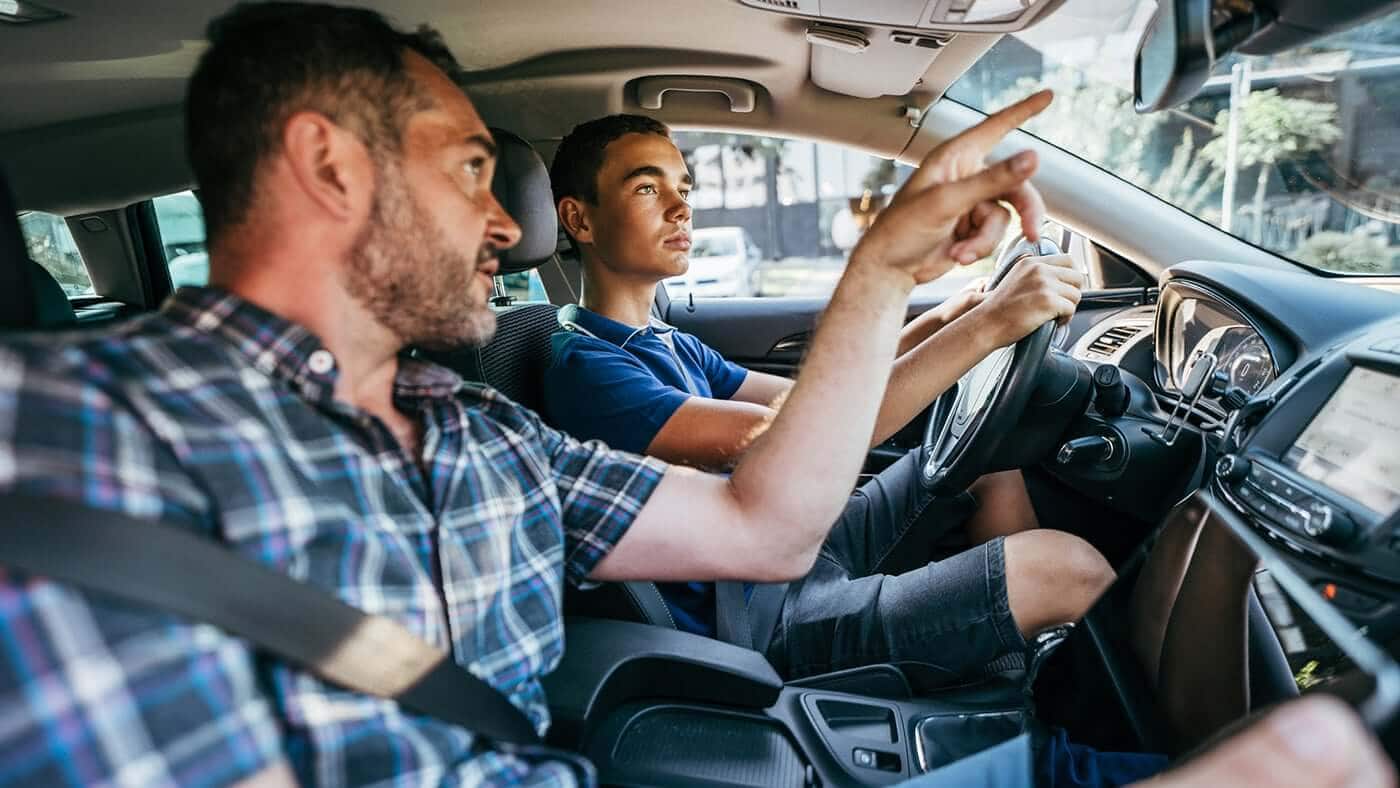
- ✓ A permit holder must always be supervised by a licensed driver who is at least 21 years old, seated in the passenger seat.
- ✓ Everyone in the vehicle needs to wear a seat belt.
- ✓ Cell phone use, including hands-free devices, isn't allowed while driving on a permit — no calls, no texting, no exceptions for quick messages.
- ✓ Permit holders under 18 generally need to hold the permit for a minimum period (commonly six months) before they're eligible to test for the next license stage, giving time to build real experience behind the wheel.
Logging Supervised Driving Hours
This part trips up a lot of families simply because it's easy to lose track. Minnesota requires permit holders to log a substantial number of supervised driving hours before advancing to the next license stage — commonly cited as 50 hours total, with a chunk of those specifically at night, since nighttime driving carries different risks than daytime practice.
There's a shortcut worth knowing about, too. If a parent or guardian completes an optional Parent/Guardian Awareness Class — usually a 90-minute session offered through driving schools or community education programs — the required supervised driving hours drop from 50 to 40. The 15 nighttime hours still apply either way, but that class can save real time during a busy school year, and the parent brings home a completion certificate that gets submitted at the road test.
Tracking Apps
A simple notebook in the glovebox works fine, or there are apps designed specifically for GDL hour tracking. What matters is consistency — a mix of highway driving, city traffic, parking lot maneuvers, and yes, some nighttime miles, rather than cramming all the hours into a few long weekend drives.
What Comes After the Permit
Once the permit has been held for the required minimum time and the supervised driving hours are logged, the next stop is the provisional license — the second phase of Minnesota's graduated system, which allows more independent driving with some restrictions still in place, like limits on nighttime driving and passengers. From there, a full unrestricted Class D license follows once the remaining age and time requirements are met.
It's a staged process by design. Each phase is meant to build real experience before the training wheels come off completely, and that structure is part of why Minnesota's GDL program exists in the first place.
A Practical Tip for Parents
Once your teen is logging hours and getting more comfortable behind the wheel, family conversations often shift toward what their first car might look like — something safe, reliable, and not too expensive to insure. That's a good problem to have, and it's worth starting to think about even while the permit phase is still underway.
When you do get to that stage, look for a full vehicle history report before buying anything used, so you know exactly what you're getting.
FAQs
What is the minimum age to get a learner's permit in Minnesota?
Fifteen. That's the earliest age Minnesota allows a teen to apply for a Class D instruction permit, provided they're enrolled in an approved driver's education program.
Do I need driver's ed before getting a Minnesota permit?
Yes, if you're under 18. Minnesota requires classroom driver's education as part of the graduated licensing system, and completion documentation is part of the permit application.
How many practice driving hours does a Minnesota permit holder need?
Permit holders under 18 need to log a set number of supervised driving hours, commonly 50, including hours specifically driven at night, before moving to the next license stage.
Can a permit holder drive alone in Minnesota?
No. A permit holder must always have a licensed driver at least 21 years old in the passenger seat. Driving alone on a permit isn't allowed at any point.
How long do you have to hold a Minnesota permit before getting a license?
Permit holders under 18 typically need to hold the permit for a minimum period, often around six months, before testing for the next license phase — though exact timing can depend on age and individual circumstances.
Is the Minnesota Driver's Manual required reading for the permit test?
It's not legally required, but it's the primary study resource the Department of Public Safety points to, and it covers the material the knowledge test draws from.