
This post contains affiliate links. If you buy something through one of them, CarSoup may earn a small commission at no extra cost to you.
You're driving home in the first real rainstorm of spring, wipers going full speed, and all you can see is a smeared, streaky mess where your windshield used to be clear. You lean forward, squint, turn the wipers up another notch. Nothing changes. That's the moment most people finally figure out when to replace wiper blades — usually a few weeks too late.
Quick answer: Most wiper blades need replacing every 6 to 12 months, or sooner if you notice streaking, skipping, squeaking, or visible cracks in the rubber. Minnesota's harsh winters — salt, ice scrapers, and UV exposure — tend to wear blades out faster than the manufacturer's average estimate.
Wiper blades are one of those parts nobody thinks about until they fail at the worst possible moment. They're cheap, they're easy to replace, and knowing when to replace wiper blades before they fail can save you from driving half-blind in a storm. A huge number of drivers wait until visibility is genuinely unsafe before doing anything about it — let's fix that.
Table of Contents
- The Telltale Signs Your Wiper Blades Are Done
- When to Replace Wiper Blades: A Realistic Timeline
- Switching From Winter to Summer Wiper Blades
- Beam, Conventional, or Hybrid: Which Wiper Blade Should You Buy?
- Why Minnesota Weather Wears Out Wiper Blades Faster
- How to Replace Wiper Blades Yourself
- A Few Extra Tips to Extend Wiper Blade Life
- Protect Your Safety With New Wipers
- FAQs
- ✓New wiper blades — beam or hybrid style
- ✓Windshield washer fluid — bug-and-grime formula
- ✓Microfiber cloth — for cleaning the rubber edge
- ✓Automotive glass cleaner — to rule out streaks from residue, not blades
The Telltale Signs Your Wiper Blades Are Done
Before we get into exact timelines, it helps to know what failure actually looks like. Wiper blades don't usually die all at once — they degrade gradually, and most drivers get used to the decline without noticing.
Watch for these signs:
- ✓Streaking. Thin lines of water or grime left behind after each pass usually mean the rubber edge has worn unevenly.
- ✓Skipping or chattering. If the blade jumps across the glass instead of gliding smoothly, the rubber has likely hardened or lost its flexibility.
- ✓Squeaking. A high-pitched noise on each pass is often an early warning sign, even before you notice a visibility problem.
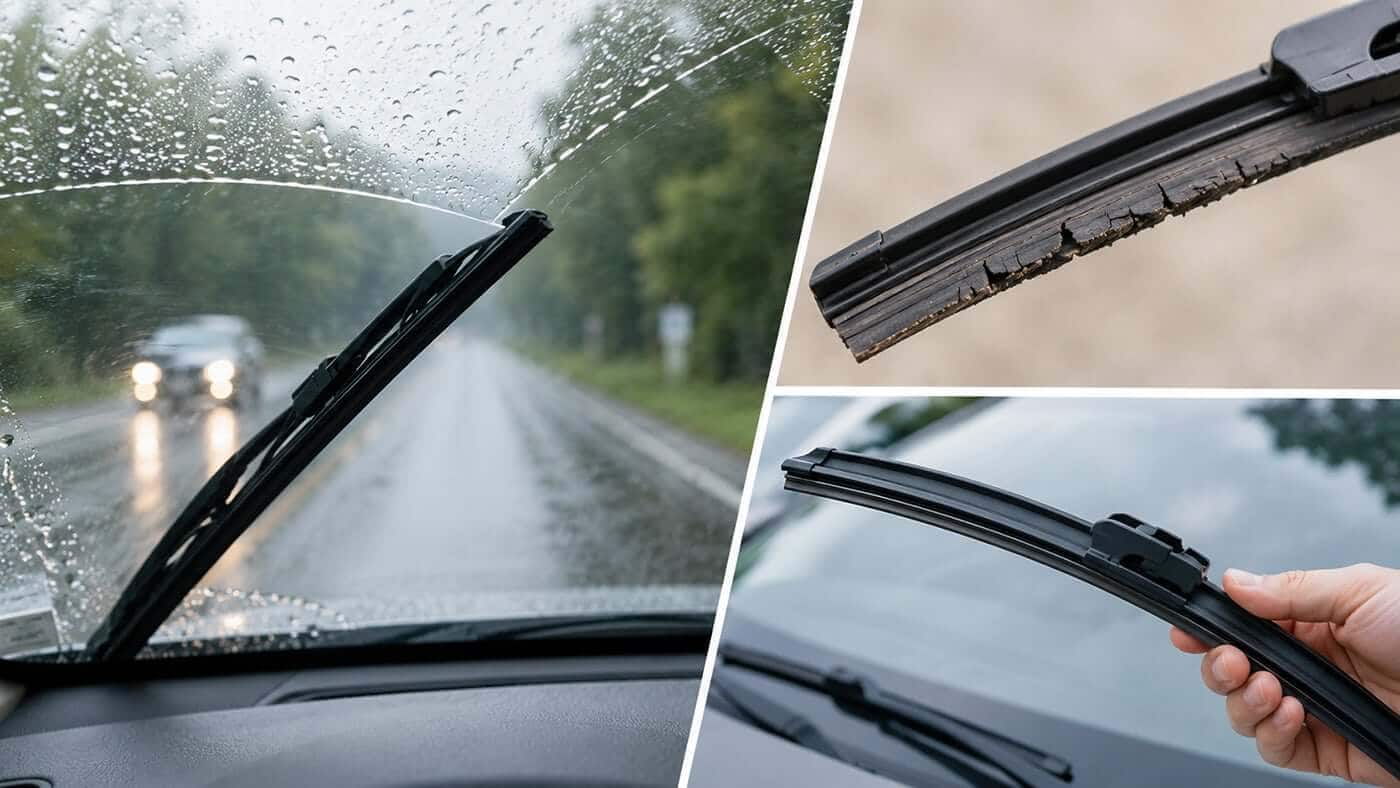
- ✓Visible cracking or splitting. Rubber that's been through a Minnesota winter can develop small cracks along the blade edge. Once you see this, replacement isn't optional.
- ✓Bent or warped metal frame. Ice scraping, snow buildup, or an aggressive car wash brush can bend the blade's frame, which throws off pressure across the glass even if the rubber itself is fine.
If you're noticing two or more of these at once, you're well past the point where a wiper fluid refill is going to help.
When to Replace Wiper Blades: A Realistic Timeline
As a general rule, plan on replacing your wiper blades every 6 to 12 months. That's the range most manufacturers point to, and it holds up reasonably well for moderate climates. In practice, though, the right answer depends heavily on how your blades are actually used.
Blades that spend the winter scraping through snow, ice, and road salt tend to wear out closer to the 6-month mark. Blades on a car that's garaged and driven mostly in dry weather can sometimes stretch past 12 months without much drop-off in performance. The honest way to know when to replace wiper blades on your specific vehicle is to combine the general timeline with a visual and performance check every few months, especially right before a season change.
A simple test: spray your washer fluid and run the wipers across dry-ish glass. If you hear noise, see skipping, or notice any part of the blade not making full contact with the windshield, it's time.
Switching From Winter to Summer Wiper Blades
If you installed heavy-duty winter blades in the fall, spring is the natural point to switch back. Switching from winter to summer wiper blades isn't strictly required — some all-season blades work fine year-round — but there are real performance reasons to make the swap.
Winter blades are built with a rubber-encased frame designed to shed ice and snow buildup, which keeps the mechanism from freezing shut. That extra bulk, though, isn't necessary once temperatures climb, and it can actually reduce contact precision on the glass during light spring rain. Standard or beam-style summer blades tend to give a cleaner wipe once the roads dry out and the rain becomes the main concern instead of ice.
A good rule of thumb: once you've stopped needing an ice scraper regularly, it's a fair time to check your winter blades for wear and consider swapping them out.
Beam, Conventional, or Hybrid: Which Wiper Blade Should You Buy?
Not all replacement blades are built the same way, and picking the right style matters more than most drivers realize.
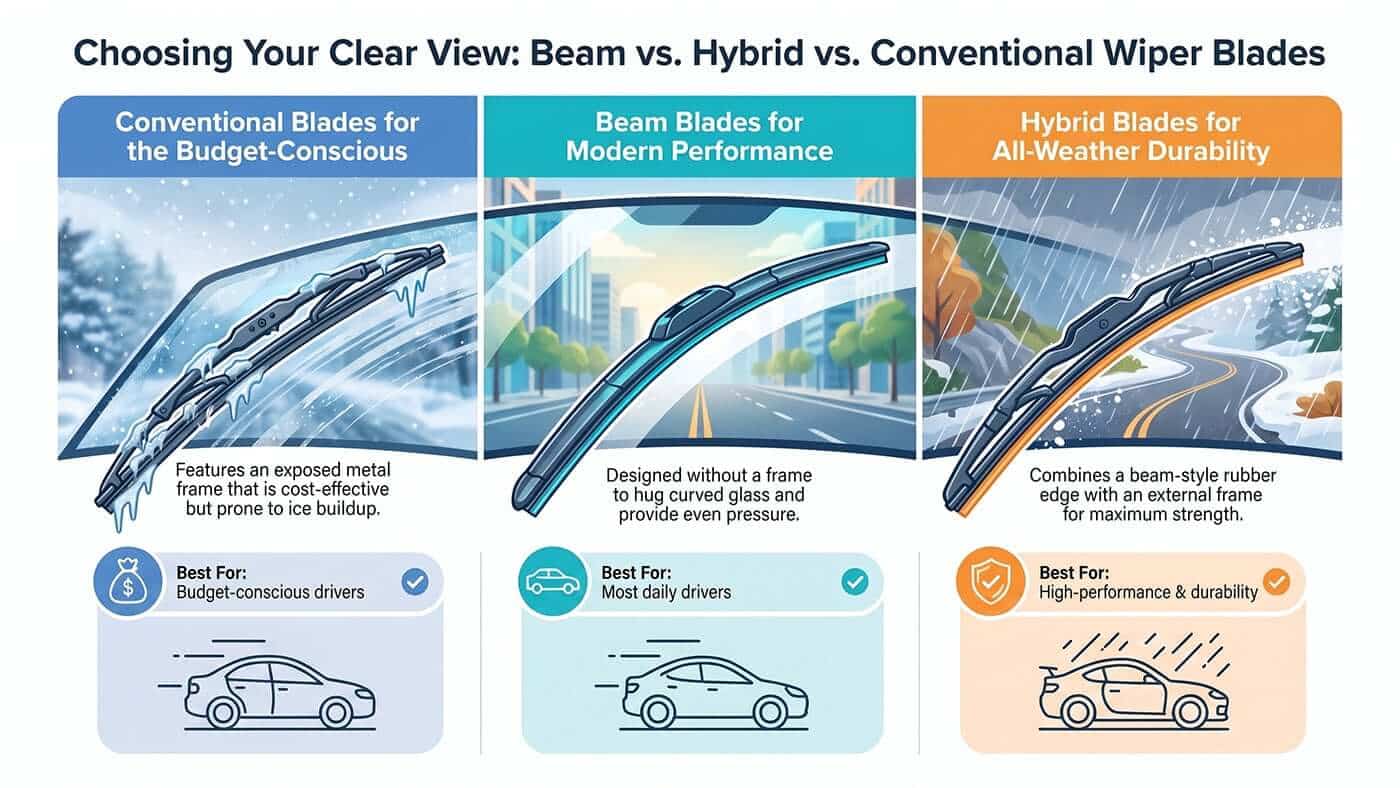
| Blade Type | Best For | Notes |
|---|---|---|
| Conventional | Budget-conscious drivers | Exposed frame can collect ice and grime |
| Beam | Most daily drivers | Even pressure, hugs curved glass well |
| Hybrid | Drivers wanting durability + performance | Combines beam rubber with external frame |
For most daily drivers, a quality beam or hybrid blade offers noticeably better performance for a modest price difference over conventional blades, especially once they start facing real weather. If you're ready to upgrade, beam wiper blades and hybrid wiper blades are both easy to find in your vehicle's exact size.
Why Minnesota Weather Wears Out Wiper Blades Faster
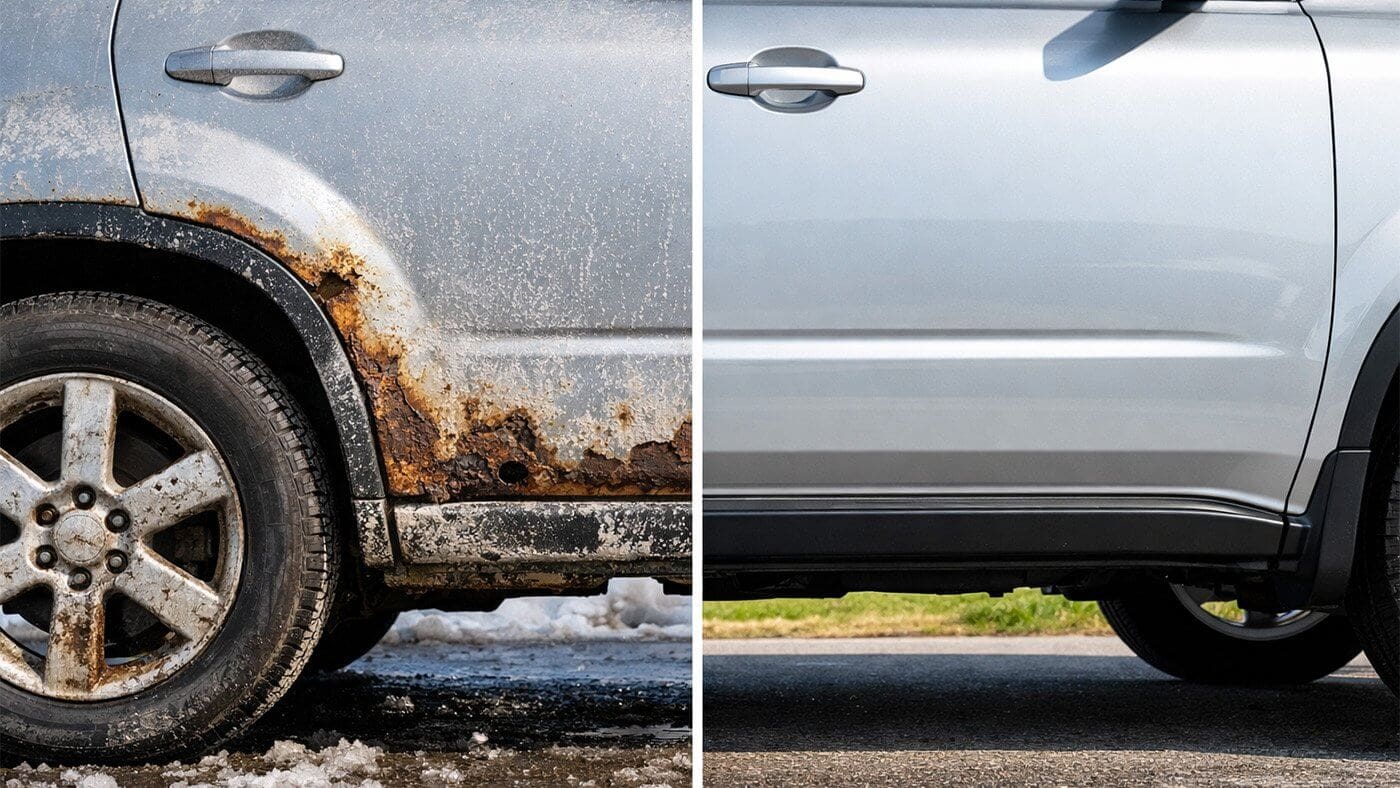
Road salt is genuinely tough on rubber. Through a Minnesota winter, wiper blades are repeatedly exposed to salt spray kicked up from the road, which can dry out and stiffen the rubber squeegee over time. Add in ice scraping, sub-zero temperatures that make rubber brittle, and long stretches of intense summer sun that accelerate UV exposure and rubber degradation, and it's easy to see why blades here often need replacing on the earlier end of that 6-to-12-month window.
None of this means you need premium blades to survive a Minnesota winter. It just means the general manufacturer timeline is closer to a ceiling than a guarantee in this climate, and a spring check is worth building into your routine.
How to Replace Wiper Blades Yourself
Replacing a wiper blade is one of the easiest maintenance jobs you'll ever do, and it typically takes less than five minutes total for both sides.
- Lift the wiper arm away from the windshield until it locks in the upright position.
- Locate the small release tab where the blade connects to the arm.
- Press the tab and slide the old blade down and off the hook.
- Line up the new blade with the arm and slide it into place until it clicks or locks securely.
- Lower the arm gently back onto the windshield — don't let it snap down, since that can crack the glass or bend the arm.
- Repeat on the other side, and check the rear wiper if your vehicle has one.
Most replacement blades come with a few different adapter clips to fit various arm styles, so check your owner's manual or the packaging if the fit isn't obvious.
A Few Extra Tips to Extend Wiper Blade Life
- ✓Keep your windshield washer fluid topped off, especially with a bug-and-grime-rated washer fluid in spring and summer.
- ✓Wipe down the rubber edge with a damp microfiber cloth every few weeks to remove road grime buildup.
- ✓Lift wipers away from the glass during ice storms or before a car wash with aggressive brushes.
- ✓Avoid running wipers on a dry, dusty windshield, which accelerates wear on the rubber edge.
- ✓If you're buying a used vehicle, a Carfax or VinAudit history report won't tell you about wiper condition directly, but it can flag whether the car spent time in a heavier-salt region, which is a useful clue for what kind of wear to expect on rubber components.
Protect Your Safety With New Wipers
Wiper blades aren't glamorous, but they're one of the cheapest ways to protect your visibility — and your safety — through Minnesota's toughest weather swings. Check them at the start of spring and fall, watch for the warning signs in between, and you'll never be caught squinting through a smeared windshield again.
FAQs
How do I know when my wiper blades need to be replaced?
The clearest signs are streaking, skipping, squeaking, or visible cracks in the rubber edge. If your wipers leave any part of the glass unclear during moderate rain, it's time for new blades.
How often should I really replace my wiper blades?
Every 6 to 12 months is a solid baseline, with drivers in harsher climates often landing closer to the 6-month mark due to road salt and temperature swings.
Can I use the same wiper blades all year round?
All-season blades are designed for this, but many drivers get better performance switching from winter to summer wiper blades once the ice-and-snow season ends.
Do more expensive wiper blades actually last longer?
Generally, yes. Beam and hybrid blades tend to outperform basic conventional blades in both lifespan and wipe quality, though even premium blades benefit from a seasonal check.
Why do my new wiper blades still streak?
This is often caused by a thin film of wax, grime, or silicone residue on the windshield rather than the blade itself. Cleaning the glass thoroughly with a dedicated automotive glass cleaner usually resolves it.
Is it bad to run my wipers with no washer fluid?
Yes — dry wiping increases friction and can scratch the glass or prematurely wear down the rubber edge, so keep your washer reservoir filled.